After dark, try turning off the overhead light in any room. Notice what is missing? Some corners may seem too dark, the reading chair might lack adequate illumination, or the tabletops and shelves may disappear into shadow. Turn on the table lamp or floor lamp and see the difference. Nighttime lighting is not just about brightness. It’s about placing light at various elevations and directing it towards places that require light.
A large overhead light will give uniform illumination but might appear harsh. This might give a living room a more utilitarian look rather than a cozy atmosphere, because everything appears roughly equal in brightness. Multiple light sources allow various parts of a room to play their own role. Ambient light offers general illumination, task lights help with activities like reading, and accent lights bring out art, bookshelves, greenery, or textured walls. Lamps are helpful since they can contribute to those levels of lighting without altering the layout.
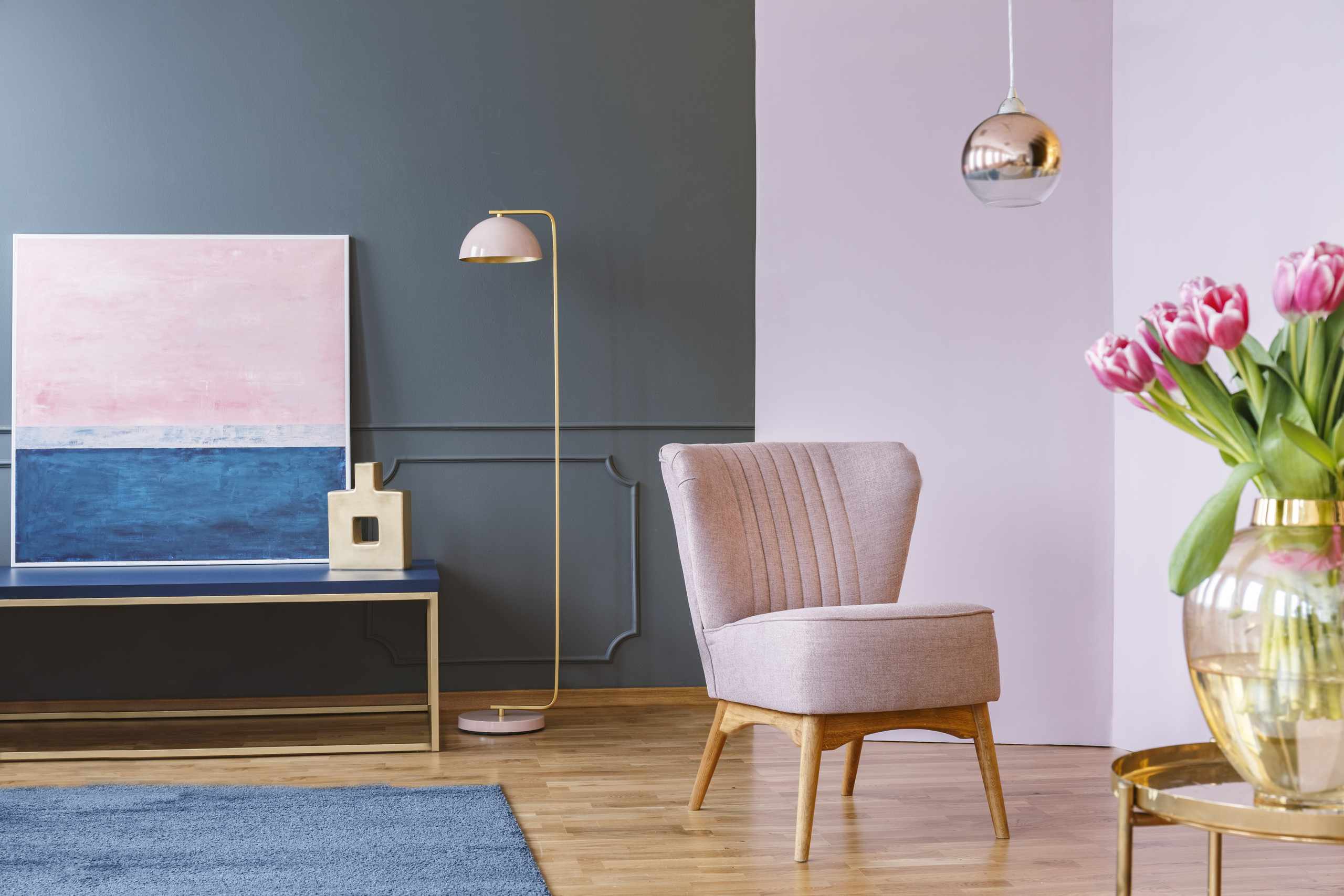
Pick just one seating area and assess it individually. Put a floor lamp next to a chair or couch, and see if the illumination falls upon a book or computer screen or a person sitting down at night. Add a table lamp on a nearby end table or console. Walk to the other side of the room and look at the difference between the two. Two smaller lights located at varying heights can create a more three-dimensional effect than one bright overhead source.
Where you put the lamp is as important as its shape. A large floor lamp behind a sofa can illuminate a broader area, while a smaller table lamp produces a tighter beam. If lamps are placed near each other, the far end of the room may look barren. Arranging them throughout the room adds visual rhythm and defines spaces for reading, conversing, or displaying a console table. Avoid putting a bright bulb right in a viewer’s direct line of vision, where glare becomes more prominent than the object itself.
The color temperature of the lamp will alter the appearance of furniture, paint, wood, and fabrics at night. A warmer bulb can enhance beige, brown, ivory, and lighter wood colors, while a cooler light will change the way greys or blues look. If a pillow, wall, or rug appears off-color in the evenings, examine the light before making adjustments. Fabric swatches and paint chips that appeared correct in daylight should be checked under your evening lighting.
The key is not that every area appears equally bright. The best nighttime arrangement will still have darker areas but provide enough light for sitting, tabletops, and focal points. With the ceiling light turned off, move around the room and observe where your gaze stops. If the lamps provide a few overlapping beams of light rather than one glaring spot and multiple dark spots, then your room is starting to appear layered rather than just lit up.